Navigating the Political Landscape

Navigating the Political Landscape: Winning Strategies for the Maharashtra State Elections in 2024

Navigating the Political Landscape, Maharashtra State Elections in 2024 Introduction The upcoming state elections in Maharashtra in 2024 promise to be a critical battleground for political parties seeking to secure power in one of India’s most influential states. With its diverse demographics and complex socio-political landscape, winning in Maharashtra demands a well-thought-out strategy. In this article, we will explore some of the best strategies that political parties can adopt to secure victory in the Maharashtra State Elections in 2024. 1. Strong Regional Alliances Maharashtra is known for its regional diversity, with urban centers like Mumbai and Pune alongside rural and agrarian regions. To win, political parties should seek strong alliances with regional parties that have a deep understanding of local issues and voter sentiments. These alliances can help broaden the party’s appeal and secure a broader vote share. 2. Candidate Selection and Ticket Distribution Choosing the right candidates is pivotal to winning elections in Maharashtra. Parties should carefully vet candidates based on their local popularity, clean image, and ability to connect with voters. Transparent and fair ticket distribution can help prevent internal dissent and ensure that deserving candidates are chosen. 3. Issue-Based Campaigning Understanding the concerns of the electorate and addressing them through issue-based campaigning is crucial. Parties should conduct comprehensive surveys and engage in dialogues with constituents to identify pressing issues. These issues could range from agriculture and employment to healthcare and education, and campaign strategies should revolve around addressing them effectively. 4. Youth Engagement The youth vote is a significant demographic in Maharashtra, given its large student population and urban youth. Parties should formulate policies and campaigns that resonate with the aspirations and concerns of the younger generation. Engaging with students and creating platforms for their voices to be heard can be a game-changer. 5. Social Media and Digital Outreach Maharashtra has a substantial digital-savvy population. Harnessing the power of social media and digital platforms for election campaigns is essential. Parties should invest in well-planned digital campaigns to connect with voters, disseminate their message, and counter any negative narratives effectively. 6. Grassroots Mobilization Winning in Maharashtra requires a robust ground game. Parties should build strong grassroots networks, mobilize volunteers, and conduct door-to-door campaigns. Connecting with voters at the grassroots level can help build trust and garner support. 7. Local Language and Culture Understanding and respecting the linguistic and cultural diversity within Maharashtra is essential. Campaign materials and speeches should be delivered in local languages, and candidates should show respect for local traditions and customs. This demonstrates a commitment to the state’s rich heritage. 8. Women-Centric Policies Empowering women and addressing their concerns should be a central theme of any winning strategy. Parties should develop and promote policies that enhance women’s participation in the workforce, ensure their safety, and provide access to education and healthcare. 9. Transparency and Accountability Winning the trust of voters requires parties to be transparent in their operations and accountable for their promises. Setting clear and achievable goals and demonstrating a commitment to fulfilling them can go a long way in securing voter confidence. 10. Post-Election Coalition Building In the event of a hung assembly, political parties should be prepared for post-election coalition building. Negotiating effectively and forming alliances with like-minded parties can be the key to forming a government. Conclusion Winning state elections in Maharashtra in 2024 will require political parties to adopt a multi-faceted strategy that encompasses regional alliances, strong candidate selection, issue-based campaigning, youth engagement, digital outreach, grassroots mobilization, and a deep understanding of local culture and language. By addressing the concerns of the electorate and demonstrating a genuine commitment to improving the lives of the people of Maharashtra, parties can increase their chances of securing victory in this crucial electoral battle.
Navigating the Political Landscape: Winning Strategies for the Maharashtra State Elections in 2024 Read More »

Transforming the Landscape

Transforming the Landscape: How BJP Revolutionized Infrastructure Development in India 

Transforming the Landscape: BJP Infrastructure Development in India Introduction The Bharatiya Janata Party (BJP), under the leadership of Prime Minister Narendra Modi, has left an indelible mark on India’s infrastructure landscape since coming to power in 2014. Recognizing the critical role that infrastructure plays in economic growth and societal progress, the BJP government has embarked on a transformative journey to reshape the nation’s infrastructure. In this article, we will delve into how the BJP changed the dynamics of infrastructure development in India. 1. Unprecedented Investment One of the most significant changes initiated by the BJP government was the substantial increase in infrastructure investment. Under the “Make in India” and “Atmanirbhar Bharat” (Self-Reliant India) initiatives, the government allocated vast sums for infrastructure development, including roads, railways, airports, and ports. This unprecedented investment has been instrumental in addressing the long-standing infrastructure deficit. 2. Road Connectivity The BJP government launched the ambitious “Pradhan Mantri Gram Sadak Yojana” (PMGSY) to connect rural areas with all-weather roads. The “Bharatmala Pariyojana” is another flagship program aimed at developing a robust road network across the country. These initiatives have not only improved connectivity but also facilitated economic development in remote regions. 3. Revamping Railways The Indian Railways, one of the largest railway networks globally, has witnessed significant modernization efforts. The introduction of high-speed trains, station redevelopment projects, and the electrification of rail lines have improved passenger comfort, reduced travel times, and enhanced the overall efficiency of the railway network. 4. Port and Maritime Development The BJP government recognized the strategic importance of ports and maritime infrastructure. The “Sagarmala Programme” was launched to enhance port connectivity and promote coastal shipping. This initiative has bolstered trade, reduced logistics costs, and paved the way for industrial growth along India’s coastline. 5. Renewable Energy Revolution India’s pursuit of renewable energy sources received a considerable boost under the BJP government. The “Solar Mission” and “Wind Energy Projects” have significantly increased India’s renewable energy capacity, reducing the nation’s carbon footprint and fostering sustainable development. 6. Smart Cities and Urban Renewal The BJP government initiated the “Smart Cities Mission” to transform urban areas into sustainable, technology-driven hubs. This program aims to improve urban infrastructure, sanitation, transportation, and overall quality of life. Several cities have already witnessed significant improvements in services and infrastructure. 7. Digital Infrastructure The importance of digital infrastructure was underscored by the government’s “Digital India” initiative. It has promoted digital literacy, expanded internet access, and accelerated the adoption of digital technologies in various sectors, from education to healthcare. 8. Private Sector Participation The government encouraged private sector participation in infrastructure development through public-private partnerships (PPP). This approach has not only attracted investment but also leveraged private sector expertise in project execution and management. Conclusion The BJP government’s commitment to infrastructure development has been a transformative force in India. It has not only improved the nation’s physical connectivity but also fueled economic growth, generated employment, and elevated the overall quality of life. The vision to create world-class infrastructure is a cornerstone of the BJP’s governance, and it will continue to shape India’s future as a global economic powerhouse. As the government pushes forward with its infrastructure agenda, it must address challenges effectively and ensure inclusive development, fostering a brighter future for all Indians.

Transforming the Landscape: How BJP Revolutionized Infrastructure Development in India  Read More »

Assessing the BJP’s Chances in the 2024 Indian General Elections

Assessing the BJP’s Chances in the 2024 Indian General Elections

Assessing the BJP’s Chances in the 2024 Indian General Elections Introduction As the year 2024 approaches, political discussions in India are intensifying, with speculations and debates about the potential outcome of the next general elections. The Bharatiya Janata Party (BJP), which has been in power since 2014, faces the task of retaining its dominance in Indian politics. In this article, we will assess the chances of the BJP winning the elections in 2024 and returning to power with a new prime minister. 1. Incumbency Advantage One of the key factors working in favor of the BJP is the incumbency advantage. Being the ruling party, the BJP has the advantage of having governed India for nearly a decade. Incumbent governments often benefit from their track record and the ability to showcase their achievements in areas such as economic development, infrastructure, and social welfare programs. 2. Strong Leadership The BJP continues to be led by Prime Minister Narendra Modi, a charismatic and influential leader with a significant following. Modi’s leadership style, communication skills, and mass appeal have helped the BJP win previous elections. His ability to connect with voters and project a strong image could play a pivotal role in the party’s electoral performance in 2024. 3. Development and Welfare Programs The BJP has launched numerous development and welfare programs during its tenure, including initiatives like ‘Pradhan Mantri Jan Dhan Yojana,’ ‘Swachh Bharat Abhiyan,’ and ‘Ayushman Bharat.’ These programs have had a tangible impact on the lives of many Indians and could serve as a persuasive electoral plank. 4. Electoral Alliances The BJP has a history of forming strategic pre-poll alliances with regional parties. These alliances have been instrumental in securing a majority in the Lok Sabha (House of the People). Skillful seat-sharing agreements and maintaining strong relationships with coalition partners can enhance the party’s electoral prospects. 5. National Security and Foreign Policy The BJP government’s assertive stance on national security and foreign policy issues has garnered significant public support. Its handling of matters related to terrorism, border tensions, and international diplomacy has been seen as decisive and robust, potentially boosting its electoral appeal. 6. Digital Campaigning and Social Media The BJP has been at the forefront of utilizing digital campaigning and social media to connect with a wide audience. The party’s online presence, effective communication, and social media campaigns have been successful in mobilizing and engaging supporters. 7. Economic Reforms and Business-Friendly Policies The government’s pursuit of economic reforms and business-friendly policies, including the implementation of the Goods and Services Tax (GST) and ‘Make in India,’ has attracted support from the business community and investors. Economic growth and job creation remain critical factors in electoral outcomes. Conclusion As the 2024 Indian general elections approach, the BJP’s chances of winning will depend on a myriad of factors, including its performance in addressing the challenges facing the nation and its ability to effectively communicate its achievements and vision. While the BJP enters the electoral arena with several advantages, the political landscape is dynamic, and outcomes can be influenced by a range of factors. The results of the 2024 elections will be determined by the will of the Indian electorate, who will ultimately decide the future leadership of the country.

Assessing the BJP’s Chances in the 2024 Indian General Elections Read More »

BJPs Second-Term Victory in India

Decoding the BJP’s Second-Term Victory in India’s Central Elections

BJPs Second-Term Victory in India’s Central Elections Introduction In May 2019, the Bharatiya Janata Party (BJP), led by Prime Minister Narendra Modi, secured a historic victory in India’s general elections, marking the party’s second consecutive term in power. The magnitude of this victory raised several questions: What were the factors that contributed to the BJP’s success, and what set it apart from its competitors? In this article, we will delve into the key factors that propelled the BJP to a second-term victory in India’s central elections. 1. Leadership and Charisma of Narendra Modi One of the most significant factors behind the BJP’s victory was the leadership of Prime Minister Narendra Modi. His charismatic and dynamic personality, combined with his tireless campaigning, connected with millions of voters across the country. Modi’s strong leadership and vision for a ‘New India’ resonated with many, instilling a sense of hope and confidence in his government. 2. Development and Welfare Schemes The BJP government’s focus on development and welfare schemes played a crucial role in its victory. Initiatives like ‘Pradhan Mantri Jan Dhan Yojana,’ ‘Swachh Bharat Abhiyan,’ ‘Pradhan Mantri Ujjwala Yojana,’ and ‘Ayushman Bharat’ addressed critical issues such as financial inclusion, sanitation, clean energy, and healthcare. These schemes directly impacted the lives of millions, especially in rural areas, winning the party significant support. 3. National Security and Strong Foreign Policy The BJP government’s firm stance on national security and its effective handling of foreign policy issues earned it praise and bolstered its image as a strong, decisive leadership. The Balakot airstrikes against terrorist targets in Pakistan and a robust response to cross-border terrorism resonated with voters who prioritized national security. 4. Electoral Strategy and Alliances The BJP’s electoral strategy, including its ability to forge pre-poll alliances and maintain a united front with its coalition partners, played a significant role in securing a majority in the Lok Sabha (House of the People). Strategic seat allocation and candidate selection were instrumental in maximizing the party’s chances of winning. 5. Social Media and Communication The BJP effectively leveraged social media and digital communication to reach a vast audience. Its social media campaigns, including the ‘Main Bhi Chowkidar’ movement, engaged and mobilized supporters. The party’s ability to control the narrative and disseminate its message widely contributed to its electoral success. 6. Economic Reforms and Business-Friendly Policies The government’s pursuit of economic reforms and business-friendly policies attracted support from the business community and investors. Measures like the Goods and Services Tax (GST) and ‘Make in India’ encouraged economic growth and job creation, which resonated with the youth and urban middle class. 7. Ground-Level Organization and Grassroots Mobilization The BJP’s ground-level organization and extensive grassroots network were vital in mobilizing voters and ensuring high voter turnout. The party’s cadre, along with the Rashtriya Swayamsevak Sangh (RSS), played an instrumental role in reaching remote areas and spreading the party’s message. Conclusion The BJP’s victory in India’s central elections for a second term can be attributed to a combination of factors, including dynamic leadership, effective governance, development initiatives, and a well-orchestrated electoral strategy. The party’s ability to connect with diverse segments of the population, both in rural and urban areas, enabled it to secure a resounding mandate. As India continues to evolve and face new challenges, the BJP’s success highlights the importance of addressing the aspirations and concerns of a rapidly changing nation while staying committed to the principles of democracy and development.

Decoding the BJP’s Second-Term Victory in India’s Central Elections Read More »

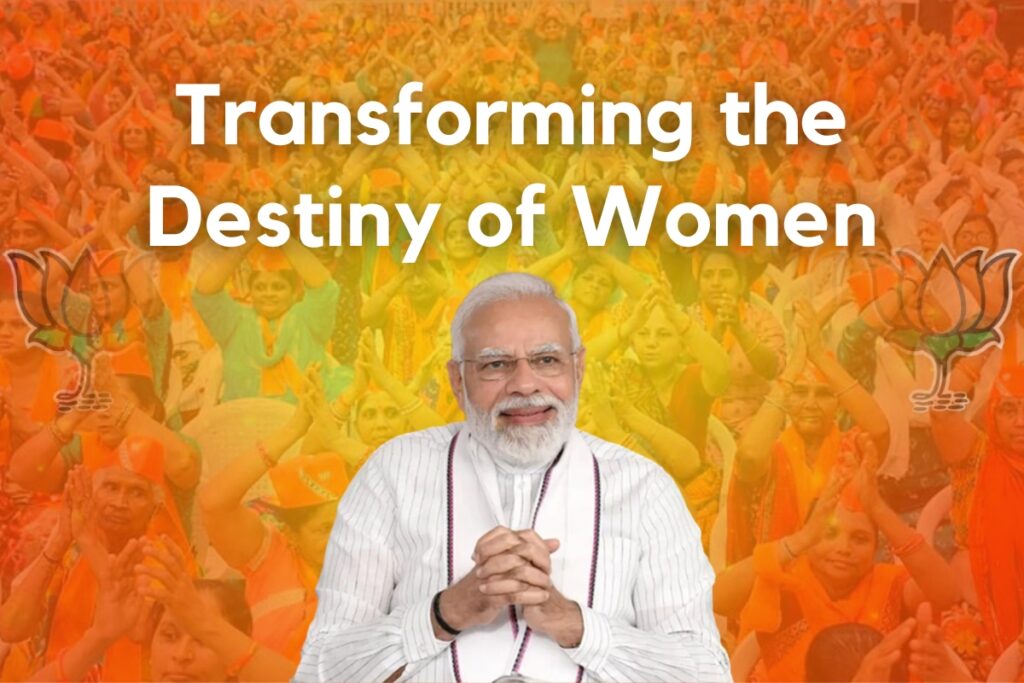
Transforming the Destiny of Women

Transforming the Destiny of Women: The BJP Government’s Impact on India Since 2014

Introduction Transforming the Destiny of Women: The BJP Government’s Impact on India Since 2014 Since the Bharatiya Janata Party (BJP) came to power in 2014, India has witnessed significant changes in various spheres of life, including the status and empowerment of women. While the road to gender equality remains a long and challenging one, it is undeniable that the BJP government has initiated several policy measures and initiatives aimed at improving the lives of women across the country. In this article, we will explore some key ways in which the BJP government has changed the fate of women in India since 2014. 1. Beti Bachao, Beti Padhao (BBBP) Scheme Launched in 2015, the BBBP initiative is a significant step towards addressing gender bias and promoting female education. This program aims to raise awareness about female foeticide and improve the status of girls in Indian society. It has played a pivotal role in encouraging families to invest in the education and well-being of their daughters, thereby empowering women from a young age. 2. Pradhan Mantri Ujjwala Yojana One of the flagship programs of the BJP government, the Pradhan Mantri Ujjwala Yojana, was launched in 2016 to provide LPG connections to women from below the poverty line (BPL) households. This initiative not only ensures better health for women by replacing traditional cooking methods but also empowers them by freeing up their time and reducing their exposure to indoor air pollution. 3. Women’s Participation in Politics The BJP government has been proactive in promoting women’s political participation. It passed the 33% reservation bill for women in local government bodies, empowering them to take leadership roles at the grassroots level. Additionally, we have seen an increase in the number of women in important government positions, further encouraging gender diversity in governance. 4. Access to Sanitation and Hygiene The Swachh Bharat Abhiyan (Clean India Campaign), initiated in 2014, has greatly benefited women in rural areas. Access to clean and safe sanitation facilities has improved significantly, which is particularly beneficial for women’s health, safety, and dignity. Proper sanitation facilities also enable more girls to attend school regularly. 5. Financial Inclusion The Pradhan Mantri Jan Dhan Yojana, launched in 2014, has been instrumental in promoting financial inclusion among women. Millions of women have opened bank accounts and benefited from various government schemes, subsidies, and direct cash transfers, which has empowered them economically. 6. Legal Reforms and Safety Measures The government has taken several steps to enhance the safety and security of women in the country. The Criminal Law (Amendment) Act, 2013, was strengthened to provide harsher punishment for crimes against women. Initiatives like the One Stop Centre & scheme and the & Women Helpline & have been established to provide immediate support to women in distress. 7. Skill Development and Entrepreneurship Under the Skill India program, the government has made efforts to empower women by providing skill development training. This equips them with the skills necessary for employment and entrepreneurship, enhancing their economic independence and self-esteem. Conclusion While challenges persist, it is evident that the BJP government has made substantial strides in changing the fate of women in India since 2014. These initiatives have not only improved the socio-economic status of women but have also contributed to a shift in societal attitudes towards gender equality. However, there is still much work to be done to achieve complete gender parity, and it is crucial for the government to continue its efforts to empower and uplift women across the nation. The journey towards gender equality is a shared responsibility, and by working together, we can build a brighter and more inclusive future for women in India.

Transforming the Destiny of Women: The BJP Government’s Impact on India Since 2014 Read More »

Jalyukt Shivar Abhiyan Scheme by Maharashtra Government

Jalyukt Shivar Abhiyan Scheme by Maharashtra Government

Jalyukt Shivar Abhiyan Scheme by Maharashtra Government The “Jalyukt Shivar Abhiyan” scheme was a flagship initiative of the Maharashtra Government aimed at sustainable water resource management and agricultural development in the state. It was launched in December 2014 with the goal of making Maharashtra’s villages drought-free by harnessing rainwater and improving the overall water management infrastructure. The term “Jalyukt Shivar” translates to “Water-Abundant Village.” Key Objectives and Components: Enhancing Water Storage: The primary objective of the scheme was to increase the storage capacity of existing water bodies and create new water storage structures. This included deepening and widening of rivers, lakes, ponds, and constructing check dams, farm ponds, and percolation tanks. Watershed Development: The scheme focused on watershed development by creating contour trenches, bunds, and other soil and water conservation measures to enhance groundwater recharge. Soil Health and Crop Yield Improvement: It aimed at improving the soil health and agricultural productivity by promoting organic farming practices, reducing soil erosion, and encouraging crop diversification. Community Participation: The scheme encouraged community participation in planning and execution. Local villagers were actively involved in decision-making and implementation, leading to a sense of ownership and sustainability. Drought Mitigation: By improving water availability, the Jalyukt Shivar Abhiyan aimed to mitigate the impact of droughts, ensuring that villages have a reliable source of water even during periods of low rainfall. Employment Generation: The scheme also aimed to create employment opportunities for rural communities by providing work related to water conservation and infrastructure development. Implementation: The scheme was implemented at the grassroots level, with each village forming a “Paani Samiti” (Water Committee) consisting of local residents. These committees were responsible for identifying water-related issues in their respective villages and planning the implementation of water conservation measures. Outcomes: The Jalyukt Shivar Abhiyan Schemes received both praise and criticism during its implementation. Proponents argued that it helped in increasing water availability and improving the groundwater table in several villages, reducing dependency on erratic monsoon rains. Critics pointed out concerns related to environmental impacts, displacement of land, and the need for a more holistic approach to water management.

Jalyukt Shivar Abhiyan Scheme by Maharashtra Government Read More »

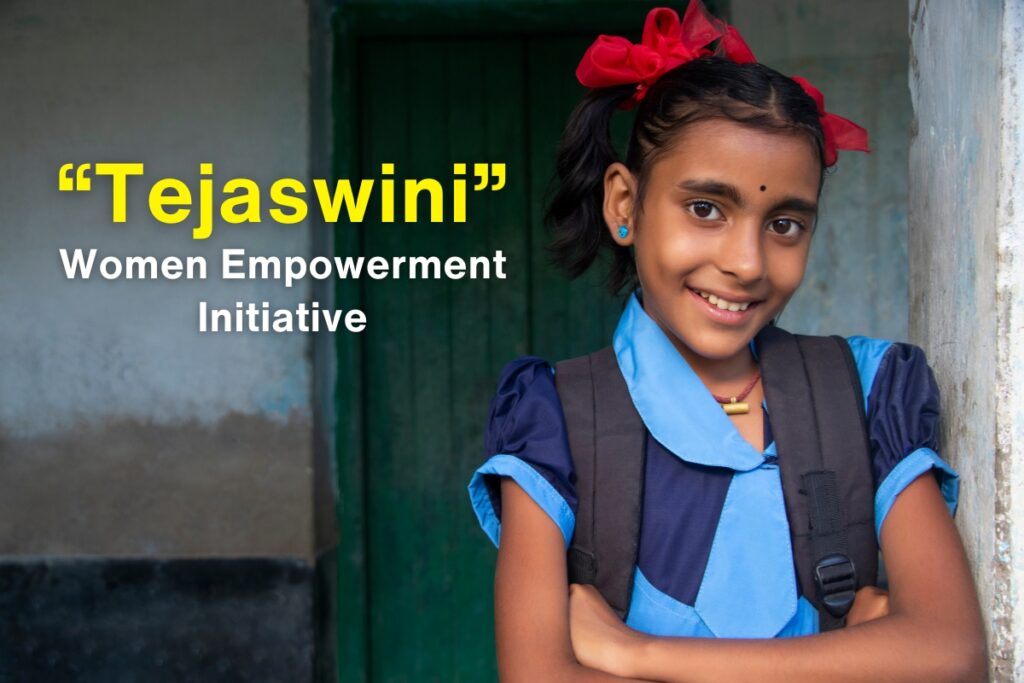
Tejaswini Scheme for Adolescent Girls And Young Women

Tejaswini Scheme for Adolescent Girls And Young Women by Maharashtra Government

Tejaswini Scheme for adolescent girls and young women by Maharashtra Government The “Tejaswini” scheme is a women’s empowerment initiative launched by the Government of Maharashtra to uplift and empower adolescent girls and young women in the state. The scheme primarily focuses on enhancing the social and economic status of young girls and women by providing them with various skill development and employment opportunities. Here is a brief overview of the Tejaswini Scheme: Key Objectives: Skill Development: The primary goal of the Tejaswini Scheme is to impart vocational and life skills to adolescent girls and young women. These skills are designed to make them more employable and financially independent. Empowerment: The scheme aims to empower young women by building their self-confidence, self-esteem, and decision-making abilities. Employment Opportunities: Tejaswini provides training and support for girls and women to help them find suitable employment opportunities or engage in income-generating activities. Health and Nutrition: The scheme also focuses on improving the overall health and nutritional status of young women by providing them with essential healthcare services and nutrition education. Education: Encouraging girls to continue their education and supporting them in pursuing higher education is another crucial aspect of the Tejaswini Scheme. Components and Activities: The Tejaswini Scheme incorporates various components and activities to achieve its objectives, including: Livelihood Training: Skill development training is provided in various sectors, including agriculture, dairy, handicrafts, and more, depending on the interests and needs of the beneficiaries. Health and Nutrition: Health check-ups, counseling, and nutrition education are offered to improve the overall well-being of young women. Education Support: Financial assistance for education, tuition support, and mentorship programs are provided to encourage girls to continue their education. Self-Help Groups (SHGs): Formation of SHGs among young women to promote savings, entrepreneurship, and access to credit. Career Guidance and Counseling: Providing career guidance and counseling services to help young women make informed choices about their future. Implementation: The Tejaswini Scheme is implemented through various government departments and agencies, including the Maharashtra State Rural Livelihood Mission (UMED) and the Women and Child Development Department. NGOs and community-based organizations also play a role in the scheme’s execution. Eligibility: The scheme primarily targets adolescent girls and young women in Maharashtra. Benefits: The Tejaswini Scheme offers a range of benefits to its beneficiaries, including improved employability, better health and nutrition, access to education, and increased financial independence.

Tejaswini Scheme for Adolescent Girls And Young Women by Maharashtra Government Read More »

Aaple Sarkar initiative by Government of Maharashtra

Aaple Sarkar initiative by Government of Maharashtra

Aaple Sarkar initiative by Government of Maharashtra The “Aaple Sarkar” initiative is a digital platform launched by the Government of Maharashtra to enhance transparency, efficiency, and accessibility in the delivery of government services to the citizens of the state. The name “Aaple Sarkar” translates to “Our Government” in Marathi, emphasizing citizen-centric governance and engagement. Here is a brief overview of the Aaple Sarkar initiative: Key Objectives: Digital Governance: Aaple Sarkar aims to digitize government services, making them easily accessible to citizens through a unified online platform. Transparency: The initiative promotes transparency by providing citizens with information about government services, applications, status updates, and relevant documents. Efficiency: By eliminating the need for physical visits to government offices, Aaple Sarkar seeks to streamline and expedite service delivery, reducing bureaucratic hurdles. Accountability: The platform helps in tracking and monitoring the progress of applications and grievances, ensuring that government departments are accountable for their actions. Components and Features: Online Services: Citizens can access a wide range of government services online, such as applying for certificates, permits, licenses, and more. Real-Time Application Tracking: Aaple Sarkar provides a feature for applicants to track the status of their applications in real time. Grievance Redressal: Citizens can register complaints and grievances related to government services and receive updates on their resolution. Information Hub: The platform offers information about various government departments, schemes, and initiatives. Feedback Mechanism: Users can provide feedback on the quality of services and suggest improvements. Mobile App: A mobile application is available to facilitate access to government services through smartphones. Implementation: The Aaple Sarkar initiative is implemented by the Government of Maharashtra through its various departments. The platform connects multiple government agencies and departments, allowing citizens to interact with the government in a unified manner. Benefits: Convenience: Citizens can access government services from the comfort of their homes, reducing the need for physical visits to government offices. Time-Saving: The platform saves time for both citizens and government officials by automating application processes. Transparency: Aaple Sarkar enhances transparency by providing updates on the status of applications and grievance resolution. Accountability: The platform holds government departments accountable for their services and responses to citizen queries and complaints. Please note that the details of government initiatives like Aaple Sarkar may evolve over time, and new features or changes may have been introduced as well. To get the most current information and access the Aaple Sarkar platform, it is advisable to visit the official website of the Government of Maharashtra or use the official mobile app.

Aaple Sarkar initiative by Government of Maharashtra Read More »

Majhi Kanya Bhagyashree by Government of Maharashtra

Majhi Kanya Bhagyashree by Government of Maharashtra

Majhi Kanya Bhagyashree by Government of Maharashtra 1. Scheme Overview: Name: Majhi Kanya Bhagyashree Scheme    State: Maharashtra, India Launched by: Government of Maharashtra     Objective: The scheme aims to provide financial support and incentives to the girl child and her family to promote the birth and upbringing of female children and to ensure their well-being. 2. Eligibility Criteria: The girl child must be born in a government hospital in Maharashtra. The family’s annual income should not exceed the prescribed limit. 3. Benefits and Incentives: Under the Majhi Kanya Bhagyashree scheme, eligible families receive various benefits and incentives: Financial Assistance at Birth: A lump-sum amount is provided at the time of the girl child’s birth. Fixed Deposit: A certain amount is deposited in a fixed deposit account in the girl’s name, which can be accessed when she reaches a specific age. Periodic Payments: The scheme provides for periodic payments at different stages of the girl’s life, such as education, marriage, etc. Insurance Coverage: The scheme includes insurance coverage for the girl child and her mother. 4. Application Process: Parents or legal guardians of the girl child can apply for the scheme shortly after her birth. They need to fill out the prescribed application form and submit it along with the required documents to the designated government authorities. 5. Documents Required: Birth certificate of the girl child issued by a government hospital. Address proof. Income certificate of the family. Identity proof of the parents or guardians. 6. Monitoring and Implementation: The scheme is monitored and implemented by the Women and Child Development Department of the Government of Maharashtra. 7. Updates and Changes: Since government schemes can undergo changes and updates, it’s essential to check the official government website or contact the concerned authorities for the most recent information regarding the Majhi Kanya Bhagyashree scheme. 8. Contact Information: For specific details and inquiries related to the Majhi Kanya Bhagyashree scheme, you can contact the Women and Child Development Department (WCD) or visit the official website of the Government of Maharashtra.  

Majhi Kanya Bhagyashree by Government of Maharashtra Read More »

Saral App

Procedure And Benefit of Registering on Saral App in India

Procedure and Benefit of registering on Saral App in India The Saral (Simple, All Inclusive, Real-Time, Actionable Learning) App is an initiative by the Indian government to provide a digital platform for various citizen-centric services and schemes. It aims to simplify access to government services and information for Indian citizens. The app offers a wide range of services, including government schemes, e-learning, and more. Procedure to Register on Saral App: Registering on the Saral App is relatively straightforward. Follow these steps: Download the App: Visit the Google Play Store (for Android devices) or the Apple App Store (for iOS devices). Search for “Saral App” and download the official app developed by the government. Install and Open the App: After downloading, install the app on your device. Open the app by tapping on its icon. Select Your Preferred Language: Upon opening the app, you may be prompted to choose your preferred language. Select the language that you are comfortable with. Register Your Account: To use the Saral App, you will need to register. Tap on the “Register” or “Sign Up” option. Provide Personal Details: Enter your personal details, including your name, mobile number, email address, and any other required information. Verify Your Mobile Number: You will receive an OTP (One-Time Password) on the mobile number you provided. Enter the OTP to verify your mobile number. Create a Password: Set a secure password for your Saral App account. Ensure it meets the password requirements (usually a combination of letters, numbers, and special characters). Complete Registration: After creating a password, your registration will be complete. You may need to agree to the terms and conditions of using the app. Benefits of Registering on Saral App: Access to Government Services: The Saral App provides access to a wide range of government services and schemes, making it convenient for citizens to apply for and avail these services. Simplified User Experience: The app is designed to be user-friendly, with an intuitive interface that makes it easier for citizens to navigate and use government services. Real-Time Updates: Users can receive real-time updates and notifications about government schemes, announcements, and services. E-Learning and Educational Resources: The app often includes e-learning content and educational resources, making it a valuable tool for students and learners. Government Information: Access to government information and documents is simplified, allowing citizens to stay informed about government policies and initiatives. Time and Cost Savings: Using the Saral App can save citizens time and money by eliminating the need to visit government offices in person for various services. Transparency: The app promotes transparency in government processes by providing easy access to information and services. Please keep in mind that the specific services and features of the Saral App may change over time, so it’s crucial to check the app for the most current information and services available. Additionally, the registration process and interface may vary slightly based on updates made by the government.

Procedure And Benefit of Registering on Saral App in India Read More »

This will close in 0 seconds

This will close in 0 seconds

This will close in 0 seconds

This will close in 0 seconds

This will close in 0 seconds

This will close in 0 seconds

This will close in 0 seconds

Scroll to Top